Business・Marketing
Is Vietnam’s Economy Really Booming in 2026? Reading GDP, FDI, Retail and Trade as a Story of Selection
A management-focused review of Vietnam’s GDP, FDI, retail, trade and inflation through July 2026—and what the headline growth means for demand, margins and cash.
Vietnam entered 2026 with powerful headline numbers. Real GDP grew 8.18% year on year in the first half, industrial production rose 11.4% in the first seven months, and nominal retail sales of goods and services increased 13.1%. Yet imports grew faster than exports, producing a US$20.52 billion trade deficit for the seven-month period. Business exits rose and inflation moved above 4%.
Vietnam is therefore not a market where every company rises with the tide. The gap is widening between businesses that convert growth into durable profit and those that add revenue while weakening margin or cash flow. Leaders should translate macro numbers into four company-level questions: where demand is forming, what happens to gross margin, how quickly cash is collected, and where the supply chain is exposed.
1. Manufacturing, investment and consumption are driving growth
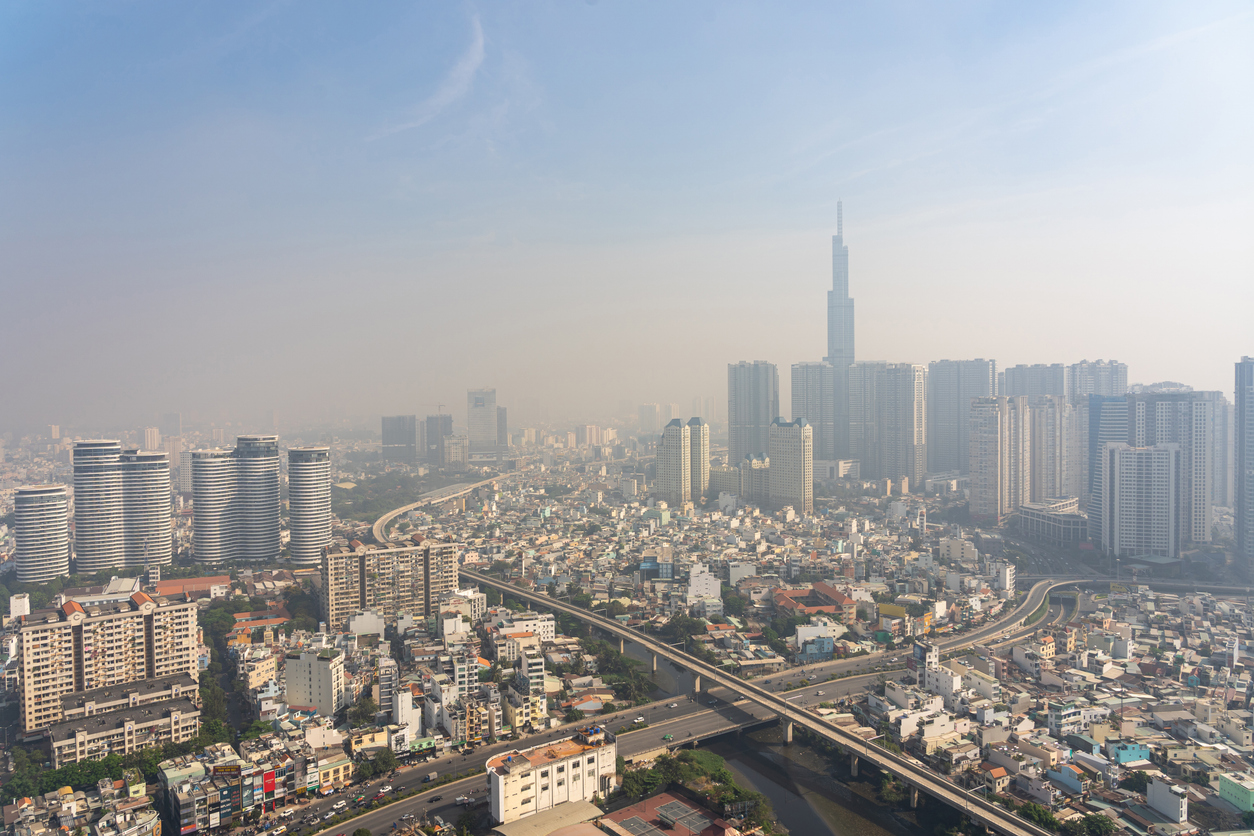
First-half GDP rose 8.18%, including 10.23% growth in manufacturing and 8.09% in services. Real retail growth reached 7.5% in the first seven months. Public investment, FDI, exports, tourism and urban consumption are all contributing rather than relying on a single engine.
National averages, however, do not identify a company’s buyer. Demand for industrial equipment, products for urban middle-income households and tourism services emerges in different places and on different timelines. Revenue plans should be broken down by region, industry, customer size and buying purpose.
2. A 58% increase in registered FDI is not guaranteed revenue
Registered inward investment reached US$38.06 billion in the first seven months, up 58.0%, while disbursed FDI reached US$15.2 billion, up 11.8%. Registered capital describes a future pipeline; disbursement is closer to investment already taking place. The two should not be treated as interchangeable.
For a B2B supplier, the useful signal is when construction, equipment procurement, recruitment and system implementation begin. Combining licensing news with industrial-park activity, job postings and local-entity announcements produces a far more actionable prospect list than a static company directory.
3. Export growth comes with faster imports and deep FDI dependence
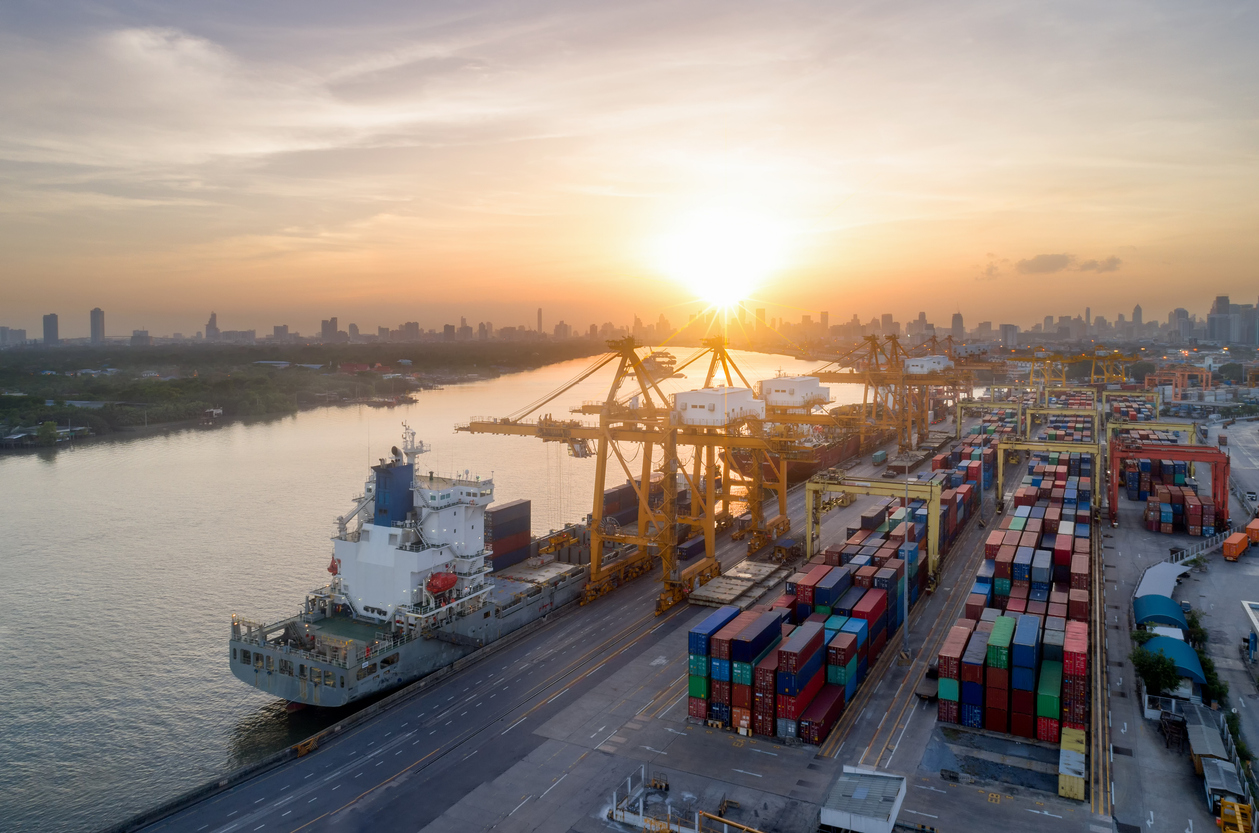
Exports grew 21.7% in the first seven months, but imports increased 34.8%. FDI enterprises generated 80.1% of exports. More capital-goods and intermediate imports may support future production, yet they also increase exposure to exchange rates, logistics and input prices.
Fast-growing companies should monitor purchasing currency, sales currency, the lag before price changes, inventory days and collection days. Discounts and inventory expansion can make reported sales rise while cash weakens. Adding gross margin and receivables days to the sales meeting makes the quality of growth visible.
ALIVE Vietnam supports companies in Vietnam with marketing strategy, branding, websites, UI/UX, content, video and measurement. Talk to our team even if you are still defining the problem and priorities.

4. Inflation above 4% raises costs and polarises customer choice

Consumer prices rose 4.39% year on year in the first seven months. Higher wages, logistics, rent and material costs force companies to reconsider pricing. At the same time, customers become more price-sensitive while remaining willing to pay for quality, convenience and reassurance.
The middle becomes dangerous: an offer that is neither the cheapest nor clearly differentiated disappears during comparison. A price increase should be accompanied by visible proof—quality control, expected outcomes, delivery process and after-sales support—so buyers can explain why the difference is justified.
5. Manage the market through three dashboards

The first dashboard is demand: enquiries, visits, opportunities and orders by region and customer group. The second is profit: gross margin and marketing cost by product and channel. The third is cash: inventory, receivables, prepayments and collection days. Macro indicators should help explain movements in these three views.
“GDP is high, so invest” and “conditions are uncertain, so stop” are both too blunt. A more resilient approach is to invest modestly where demand is emerging, then review profit and cash conversion every 90 days.
Conclusion
Vietnam in 2026 combines high growth and strong FDI with trade, inflation, funding and external-demand risks. The goal is not simply to ride market momentum. It is to know which growth engine the company is connected to and where value leaks out. Companies that translate market data into demand, margin and cash decisions will be better placed in a period of selection.
ALIVE Vietnam supports companies in Vietnam with marketing strategy, branding, websites, UI/UX, content, video and measurement. Talk to our team even if you are still defining the problem and priorities.
Thanks for reading
We are ALIVE based in Vietnam
More from ALIVE